Das sprechende Blut: Vom Opfer zur Erlösung
Hebrews Chapter 9 represents one of Scripture’s most profound transitions from sacrifice to salvation, the shift from a system of temporary shadows to the permanent reality found in Christ. This chapter carefully unfolds the contrast between the earthly tabernacle with its repeated sacrifices and Christ’s once for all sacrifice that provides eternal redemption.
The physical sanctuary described in the opening verses serves as a powerful visual metaphor. With its outer tent (the Holy Place) and inner sanctuary (the Holy of Holies) separated by a heavy curtain, it embodied the spiritual reality of humanity's separation from God. Only the high priest could enter that most sacred space, and even then, just once a year, carrying blood from animal sacrifices. This system, while divinely ordained, was inherently limited – a temporary placeholder pointing toward something greater.
The genius of Hebrews 9 lies in how it reveals this old covenant as intentionally incomplete. Those endless sacrifices could never fully cleanse the conscience. They addressed external defilement but couldn't reach the deeper contamination of the human heart. The repetition itself testified to their insufficiency – if they had truly accomplished their purpose, wouldn't they have ceased? Instead, year after year, the cycle continued, a perpetual reminder of sin rather than its final solution.
Against this backdrop, Christ emerges not merely as a better high priest but as the fulfillment of everything the tabernacle represented. His sacrifice stands in stark contrast to the old system in several crucial ways. While earthly priests entered a man-made sanctuary, Christ entered heaven itself. While they brought animal blood, he offered his own. While their sacrifices needed constant repetition, his was accomplished "once for all." The phrase echoes throughout the chapter like a triumphant declaration – once, not repeatedly; for all, not temporarily.
This transition fundamentally alters our spiritual position. No longer do we stand at a distance, separated by veils and ceremonies. The way has been opened through Christ's flesh. We now have what the ancient Israelites could only glimpse through symbols: direct access to God himself. Our consciences can be truly cleansed, not merely covered. Our relationship with God no longer depends on repeated rituals but rests on Christ's completed work.
The implications for daily living are revolutionary. Many believers still operate under old covenant patterns – striving through religious performance to maintain God's favor, carrying guilt that Christ has already removed, approaching God with hesitation rather than confidence. Hebrews 9 invites us to live in the freedom Christ purchased. If his sacrifice was truly sufficient, we can stop trying to add to it. If the veil has been torn, we can approach boldly. If our consciences have been cleansed, we can release the burden of past failure.
The chapter concludes with a powerful reminder of Christ's three appearances – past, present, and future. He has appeared to put away sin by his sacrifice. He now appears in heaven as our advocate. And he will appear again, not to deal with sin but to bring salvation to its glorious completion. This progression assures us that what Christ began, he will finish. His work spans all of history yet remains personally relevant to each believer's journey.
Hebrews 9 ultimately challenges us with a profound question: What would change in our lives if we truly believed it is finished? What burdens would we release? What freedom would we embrace? What confidence would characterize our approach to God? The invitation stands – to move beyond shadows into substance, beyond temporary measures into eternal redemption, beyond distance into intimate communion with the living God.
Missionar
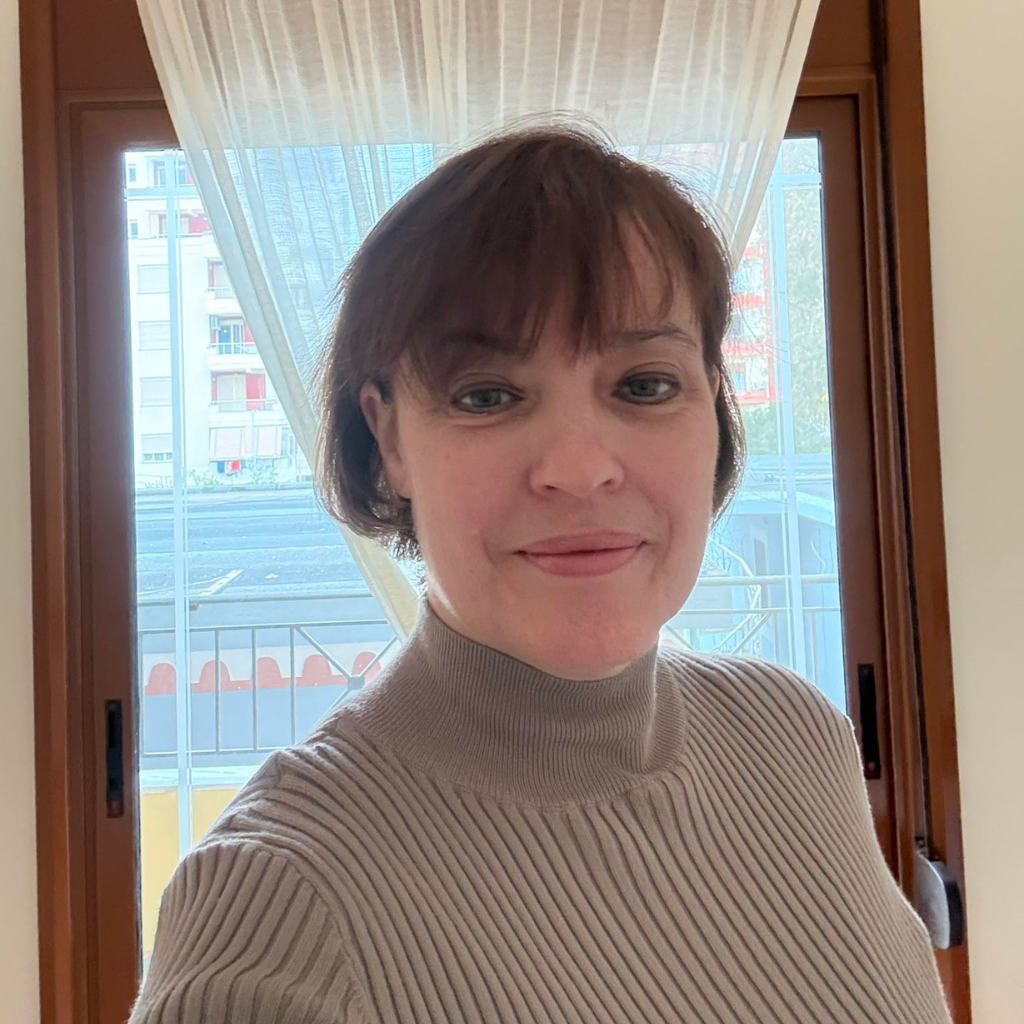
Christie ist Missionarin und ordinierte Pastorin. Ihr Leben und Wirken sind ganz der Verkündigung des Wortes Gottes und dem Trost Bedürftiger gewidmet. Geprägt von jahrelangem Militärdienst und missionarischer Arbeit in der Karibik, Afrika und Europa, verspürt Christie seit jeher den Wunsch, Menschen aus allen Lebensbereichen zu dienen.
Während ihres Einsatzes in Thessaloniki, Griechenland, leitete Christie ein Straßenprojekt, das sich an die Obdachlosen der Stadt richtete. Mitfühlend, im Gebet und mithilfe von Audiobibeln in griechischer Sprache vermittelte sie den Menschen am Rande der Gesellschaft die Hoffnung des Evangeliums, indem sie ihnen nicht nur die Heilige Schrift, sondern auch ihre Anwesenheit, ihr zuhörte und Liebe schenkte.
Ihre Arbeit für „In the Field Audio Bible“ ist eine natürliche Fortsetzung dieser Berufung. Mit diesen Aufnahmen erreicht Christie Zuhörer mit der tröstlichen und aufbauenden Kraft von Gottes Wort, ob zu Hause, in Notunterkünften oder inmitten der schwierigsten Lebenslagen. Jede Lesung vermittelt Wärme, Mitgefühl und ein tiefes Gefühl von Gottes Gegenwart und schafft so Momente der Ruhe, Ermutigung und spirituellen Verbundenheit.
Im August 2025 zog Christie nach Vlorë, Albanien, um dort ihre Mission fortzusetzen, Bedürftigen die Audiobibel zugänglich zu machen. Sie bringt die Hoffnung der Heiligen Schrift in eine neue Gemeinde, die sich nach Wahrheit, Trost und der Gegenwart Gottes sehnt.
Christies Mission bleibt einfach, aber tiefgründig: die Gabe des Glaubens, des Trostes und der transformativen Hoffnung der Heiligen Schrift zu vermitteln – Vers für Vers, Stimme für Stimme, Seele für Seele.
Im Leid Licht finden: Barmherzigkeit, die sich im Verborgenen hält