Glaube in der Not: Schöne Wahrheiten für schwere Zeiten
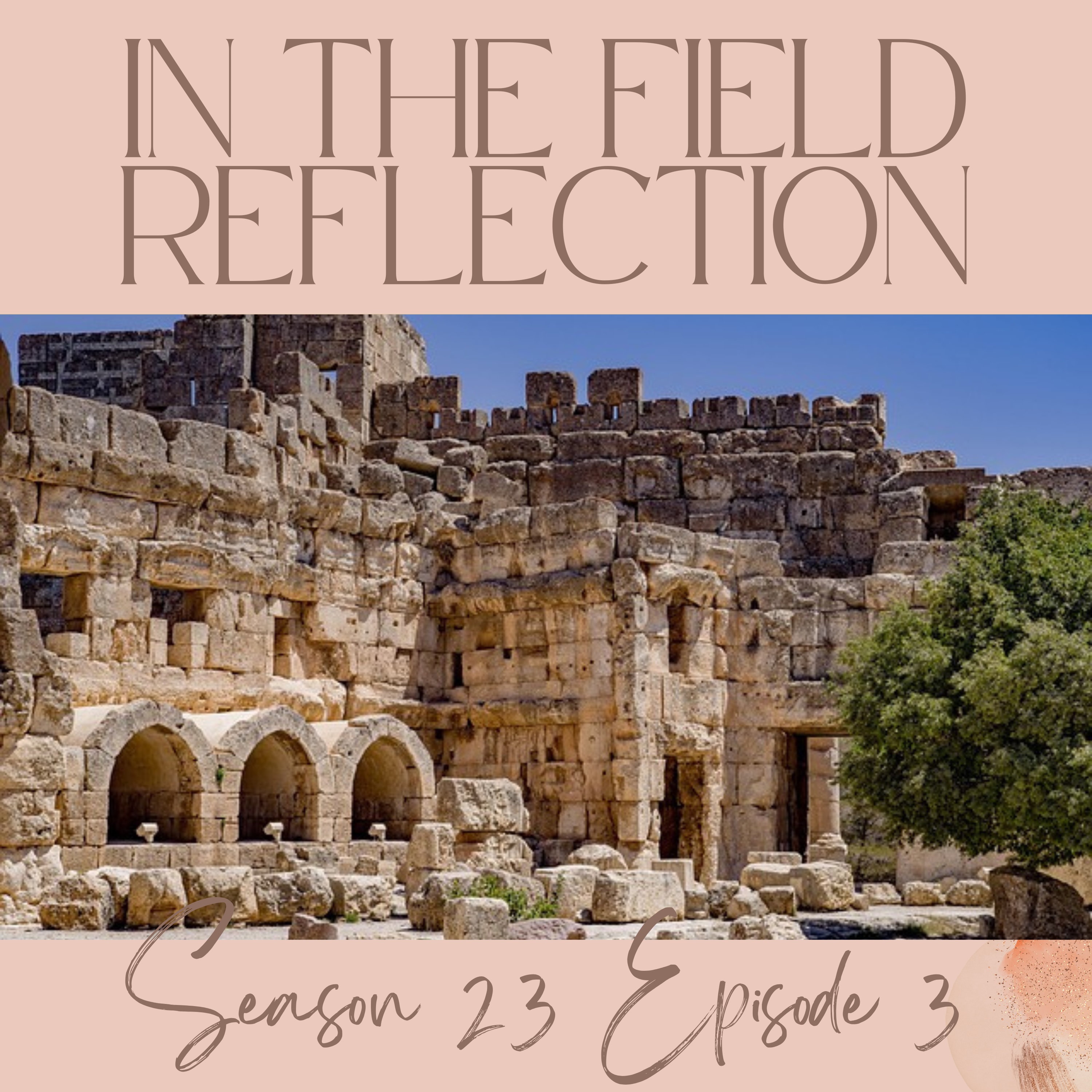
The heart of this episode beats with the ache of distance and the grit of perseverance, revealing beautiful truths for hard times. Set in a vivid reimagining of Paul's rented room in Corinth, we watch a pastor fight the pull of absence with prayer, pen, and partnership. The narrative paints the cost of discipleship in Thessalonica: idols renounced, social ties severed, and the imperial cult defied. In that upheaval, Paul names the pain without softening it. He wanted to return, but Satan hindered him. He felt orphaned, yet not detached. That tension carries a timeless truth for anyone holding love and limits in the same hands: the absence you hate can become the place where God proves His nearness and strength.
When hopes are blocked, Paul refuses passivity. He sends Timothy not as a courier of comfort only, but as a builder who braces a young church against gale-force opposition. Timothy brings back the report every shepherd longs to hear: they are standing firm. This good news does more than soothe Paul; it revives him. “Now we live if you stand firm in the Lord” becomes a frame for Christian community, where mutual encouragement is not a nicety but a lifeline. The early church’s durability under persecution is not a historical footnote—it is a diagnostic for living faith. Resistance from culture and darkness does not disprove the gospel; it often verifies it.
Paul’s counsel lands with surgical clarity. Affliction is not abandonment; it is appointed. The Christian life swims against the current of empire and appetite, so turbulence is expected. Yet the response is strikingly active: pray night and day, send help, write, teach, and keep trusting God’s unseen work. Paul refuses to pretend completeness where growth is needed. He longs to “supply what is lacking,” teaching us that endurance without formation still needs shepherding. This balance rescues us from extremes: triumphalism that ignores pain, and despair that forgets promise. A church can be both tested and tender, both firm and in formation.
Love sits at the core, not as sentiment but as structure. Paul prays for love to increase and overflow “for one another and for all,” because love is the ecosystem where faith breathes and holiness holds. Overflowing love strengthens the heart’s integrity, making holiness sustainable in public and private. Correct doctrine without love becomes noise; love enlarges the soul’s capacity to obey under pressure. The benediction frames a horizon larger than the moment: a coming King, a blameless people, a God who directs the way. This eschatological hope is not an escape hatch—it is the gravity that keeps the church from drifting when waves rise.
The episode closes by tracing the letter’s journey from ink to ears, from one lamp-lit room to households across Thessalonica. That path mirrors how the gospel still moves: person to person, prayer to practice, affection to action. Distance cannot fracture true fellowship because prayer bridges miles and years, welding hearts to God’s purposes. The takeaway is fiercely practical: when you can’t be where you long to be, you can still participate in God’s work. Pray with urgency, invest through encouragement, send help, teach faithfully, and expect God to finish what He started. As Paul’s window dims and the city quiets, the promise grows loud: God is faithful, Christ is coming, and love endures.
Missionar
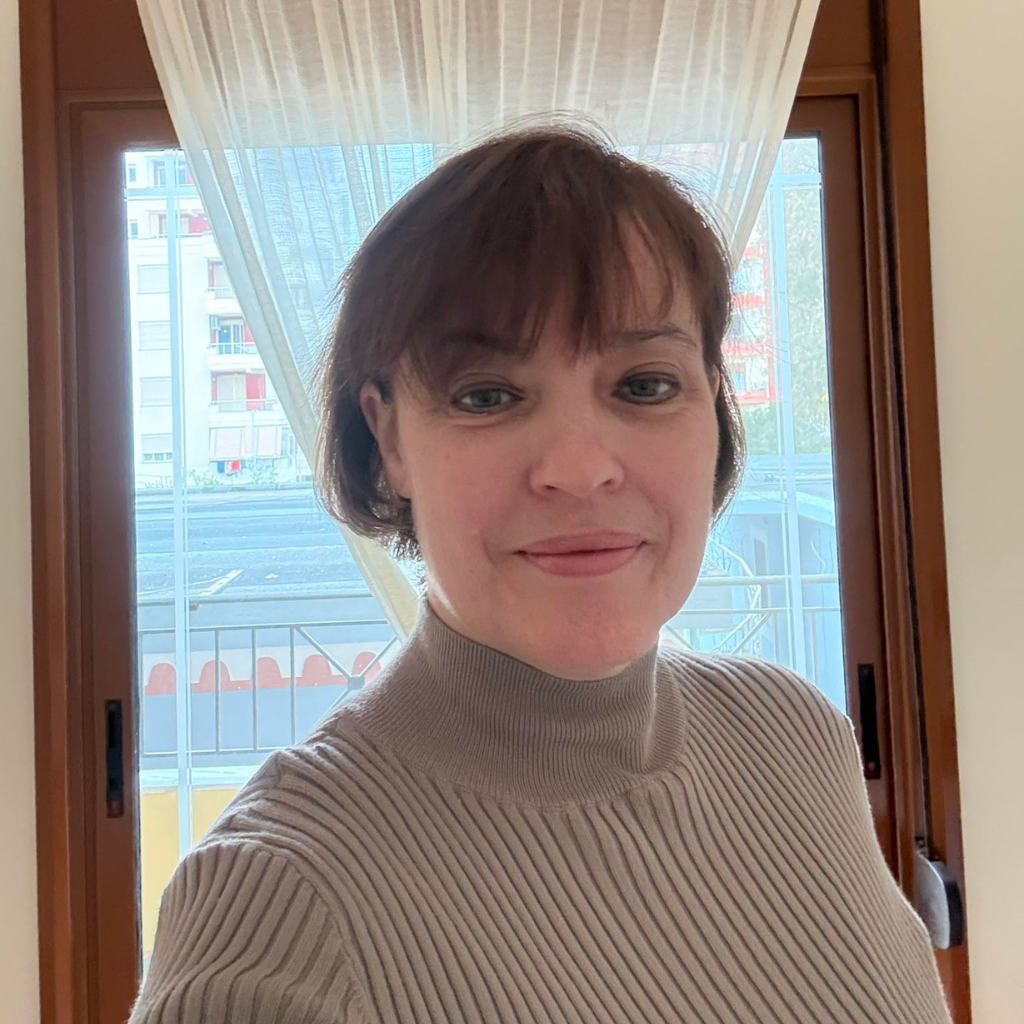
Christie ist Missionarin und ordinierte Pastorin. Ihr Leben und Wirken sind ganz der Verkündigung des Wortes Gottes und dem Trost Bedürftiger gewidmet. Geprägt von jahrelangem Militärdienst und missionarischer Arbeit in der Karibik, Afrika und Europa, verspürt Christie seit jeher den Wunsch, Menschen aus allen Lebensbereichen zu dienen.
Während ihres Einsatzes in Thessaloniki, Griechenland, leitete Christie ein Straßenprojekt, das sich an die Obdachlosen der Stadt richtete. Mitfühlend, im Gebet und mithilfe von Audiobibeln in griechischer Sprache vermittelte sie den Menschen am Rande der Gesellschaft die Hoffnung des Evangeliums, indem sie ihnen nicht nur die Heilige Schrift, sondern auch ihre Anwesenheit, ihr zuhörte und Liebe schenkte.
Ihre Arbeit für „In the Field Audio Bible“ ist eine natürliche Fortsetzung dieser Berufung. Mit diesen Aufnahmen erreicht Christie Zuhörer mit der tröstlichen und aufbauenden Kraft von Gottes Wort, ob zu Hause, in Notunterkünften oder inmitten der schwierigsten Lebenslagen. Jede Lesung vermittelt Wärme, Mitgefühl und ein tiefes Gefühl von Gottes Gegenwart und schafft so Momente der Ruhe, Ermutigung und spirituellen Verbundenheit.
Im August 2025 zog Christie nach Vlorë, Albanien, um dort ihre Mission fortzusetzen, Bedürftigen die Audiobibel zugänglich zu machen. Sie bringt die Hoffnung der Heiligen Schrift in eine neue Gemeinde, die sich nach Wahrheit, Trost und der Gegenwart Gottes sehnt.
Christies Mission bleibt einfach, aber tiefgründig: die Gabe des Glaubens, des Trostes und der transformativen Hoffnung der Heiligen Schrift zu vermitteln – Vers für Vers, Stimme für Stimme, Seele für Seele.
Im Leid Licht finden: Barmherzigkeit, die sich im Verborgenen hält