Mitternachtsstimmen verstummt: Frieden wird geschenkt, nicht verdient
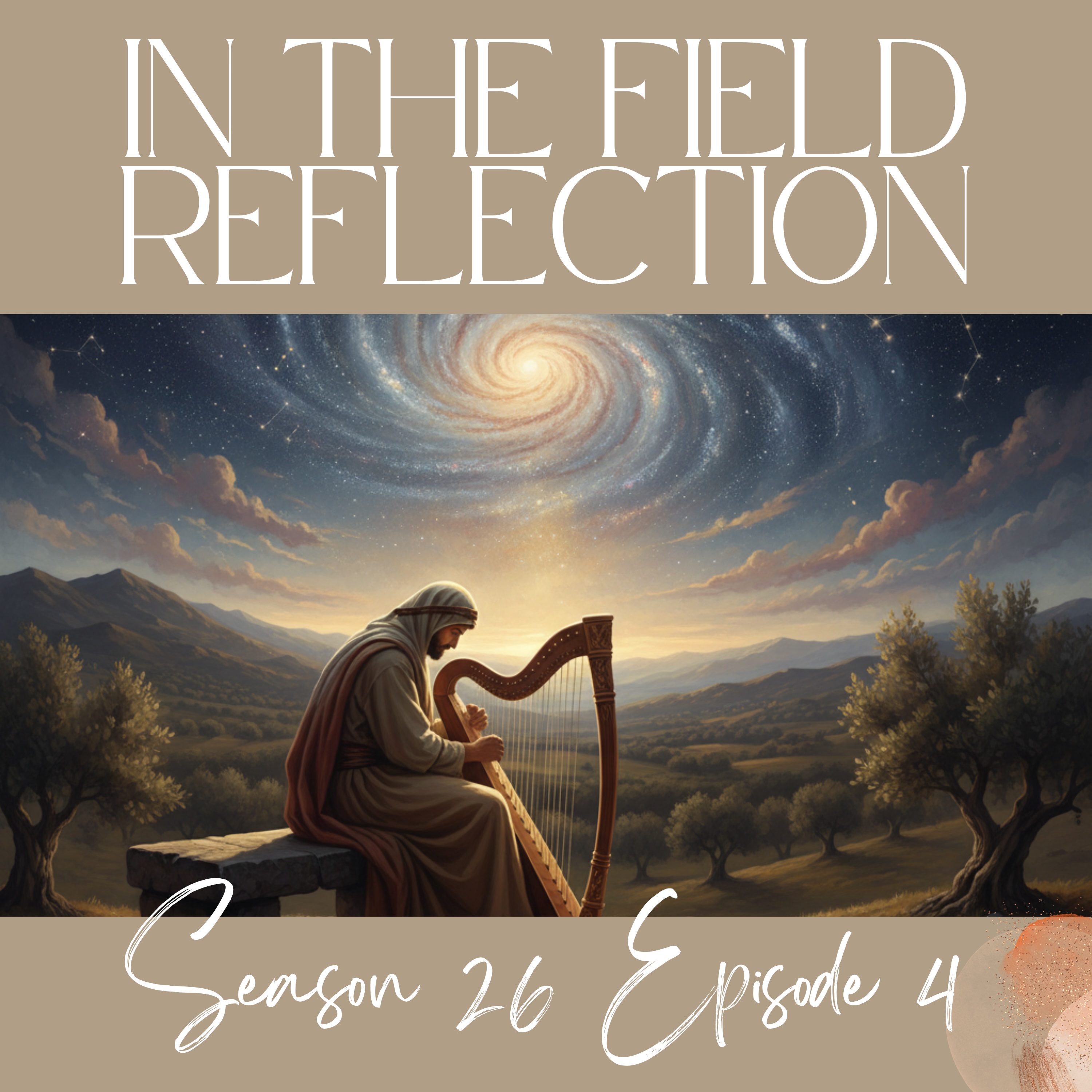
The heart of this episode is a guided journey through Psalm 4, framed by David’s exile, fractured trust, and the slow work of finding rest in God’s presence. We set the scene where leadership feels heavy, rumors distort the truth, and sleep comes hard. Instead of sprinting toward quick fixes, the narrative invites us to pause and let Scripture speak into anxiety, slander, and uncertainty. The Psalm becomes a map for restless souls: an honest cry, a sober counsel, and a closing confidence that safety is a gift, peace given not earned. By moving from the texture of wilderness nights to the cadence of sacred words, we learn how true peace does not depend on status, harvest, or applause, but on the Lord’s nearness.
Psalm 4 opens with a plea: Answer me when I call. David reaches for God not as a final resort but as a familiar refuge. He names the pain of twisted words and the ache of reputation under siege, yet he refuses the trap of bitterness. The Psalm counsels self-control—ponder on your bed and be silent—anchoring emotion with reflection. Right worship and trust replace frantic defense. The pivot is striking: rather than demanding signs, David asks for the light of God’s face. That simple shift reframes success and restores sanity. Gladness arrives not when the barns overflow but when God’s presence is felt. In a world where metrics rule our sense of worth, Psalm 4 argues that the deepest metric is communion.
The reflection widens beyond David’s tent to the testimonies of Abraham, Moses, and Joshua. Their faith did not bloom in comfort; it grew in deserts, delays, and dilemmas. This lineage teaches us to expect God’s voice under open skies and in sleepless hours. The host ties memory to hope: the God who heard Israel’s groans still listens in our wilderness today. When you are disturbed, do not sin is not a reprimand but a path: slow down, breathe, examine your heart, and return to trust. Such trust is not naïve; it knows enemies remain, harvests lag, and accusations echo, yet it chooses the discipline of rest. Rest, here, is obedience, not escape.
By the time Psalm 4 closes, a quiet exchange has taken place. David does not gain a crown back or silence his critics, but he gains something greater: I will both lie down and sleep in peace. This peace is not the absence of conflict; it is the presence of God that steadies the breath and softens the mind. The episode underscores that God’s face shining upon us becomes a better goal than reputational repair or immediate relief. It reminds us to let prayer become our posture and Scripture our shelter. As dawn breaks in the story, hope rises because God has heard again. The takeaway is simple and strong: seek the light of His face, practice holy stillness, trust through the night, and let gladness grow where grain may not. In that place, safety is not fragile; it is promised.
Missionar
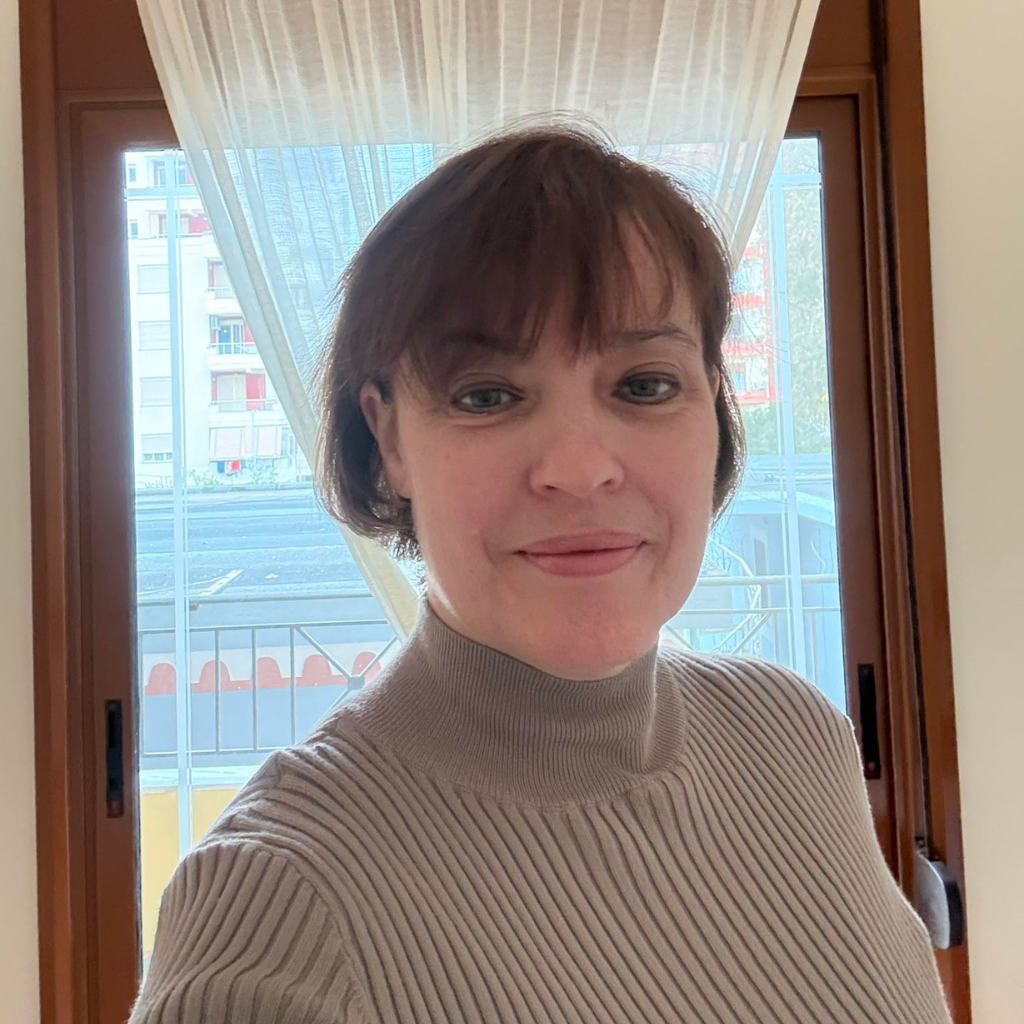
Christie ist Missionarin und ordinierte Pastorin. Ihr Leben und Wirken sind ganz der Verkündigung des Wortes Gottes und dem Trost Bedürftiger gewidmet. Geprägt von jahrelangem Militärdienst und missionarischer Arbeit in der Karibik, Afrika und Europa, verspürt Christie seit jeher den Wunsch, Menschen aus allen Lebensbereichen zu dienen.
Während ihres Einsatzes in Thessaloniki, Griechenland, leitete Christie ein Straßenprojekt, das sich an die Obdachlosen der Stadt richtete. Mitfühlend, im Gebet und mithilfe von Audiobibeln in griechischer Sprache vermittelte sie den Menschen am Rande der Gesellschaft die Hoffnung des Evangeliums, indem sie ihnen nicht nur die Heilige Schrift, sondern auch ihre Anwesenheit, ihr zuhörte und Liebe schenkte.
Ihre Arbeit für „In the Field Audio Bible“ ist eine natürliche Fortsetzung dieser Berufung. Mit diesen Aufnahmen erreicht Christie Zuhörer mit der tröstlichen und aufbauenden Kraft von Gottes Wort, ob zu Hause, in Notunterkünften oder inmitten der schwierigsten Lebenslagen. Jede Lesung vermittelt Wärme, Mitgefühl und ein tiefes Gefühl von Gottes Gegenwart und schafft so Momente der Ruhe, Ermutigung und spirituellen Verbundenheit.
Im August 2025 zog Christie nach Vlorë, Albanien, um dort ihre Mission fortzusetzen, Bedürftigen die Audiobibel zugänglich zu machen. Sie bringt die Hoffnung der Heiligen Schrift in eine neue Gemeinde, die sich nach Wahrheit, Trost und der Gegenwart Gottes sehnt.
Christies Mission bleibt einfach, aber tiefgründig: die Gabe des Glaubens, des Trostes und der transformativen Hoffnung der Heiligen Schrift zu vermitteln – Vers für Vers, Stimme für Stimme, Seele für Seele.
Im Leid Licht finden: Barmherzigkeit, die sich im Verborgenen hält